Renal Stones

Blood in Urine (Haematuria)
March 30, 2021
Prostate Cancer
April 2, 2021Renal Stones
What Is Renal Stones?
Renal stones are stones that are found within the urinary tract – kidneys, ureter and bladder. The kidneys filter fluid and unwanted substances out of the body. Some of these substances can form crystals in the kidney. These crystals may slowly grow bigger with time and become stones. The stones can stay within the kidney or travel into the ureter and bladder.

Symptoms of Renal Stones
You may not have any symptoms from the stones until they cause a blockage or infection within the urinary tract. Common symptoms include:
- Abdominal and/or Pelvic Pain
- Back Pain
- Blood in urine
- Burning sensation when passing urine
- Fever, shiver and chills
- Urinary tract infection
Diagnosis of Renal Stones
If the doctor suspects you have a kidney stone, they may organize the following investigations:
Urinalysis: A small sample of urine will be collected to look for any signs of infection or stone.
Ultrasound: A simple bedside scan may be done to look that the kidneys, ureter and bladder to see if the stone has caused blockage of the urinary system.
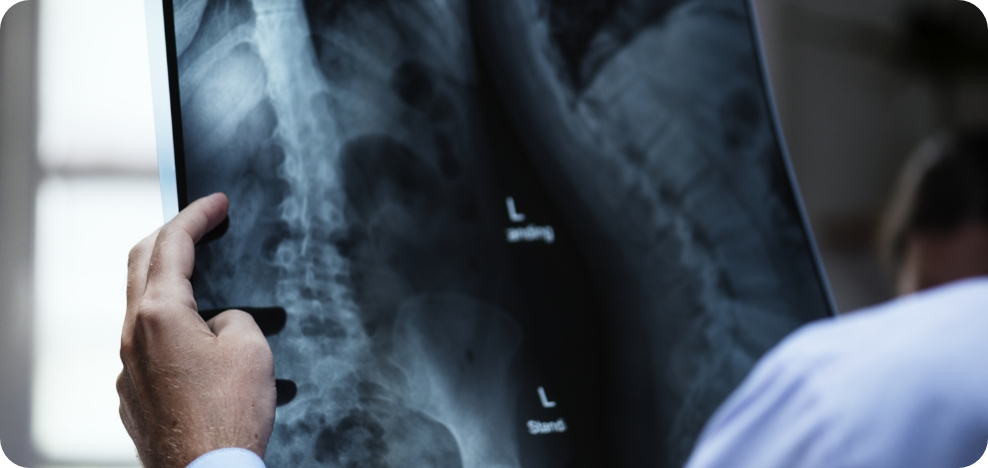
X-Ray: X-ray of the abdomen can show large stones however may not show small stones.
Computed Tomography CT Scan: This is a more detailed X-ray machine. Patients usually need to be fasted for 4 hours before scan. Occasionally a small amount of dye is injected into the body so we can better look at the urinary tract. Patients will be lying flat while the x-ray is being taken. It is usually completed within 5-10 minutes.
Treatment of Renal Stone
Treatment depends on the size of the stone, where it is located, patient’s symptoms and if the stone is causing any complications.
- Medication: There are no proven medications that can dissolve the stones. There are few medications that can be used to increase likelihood of spontaneous passage of select stones depending on size and location of stones. Painkillers can provide relief until the stone passes out of the body on its own. Antibiotics may be given to treat for a co-existing infection.
- Stent: A stent is a small fine plastic tube that holds the ureter open. This stent is placed temporarily within the urinary tract to allow small stones to pass out. The stent is removed within a few weeks.
- Laser Lithotripsy: The doctor may insert a cystoscope or ureteroscope to determine the location of the stones. A small laser fibre is then passed to break the stone into small fragments. These small fragments can then be removed through the urethra. This is procedure is done under general anaesthesia.
- Extracorporeal Shockwave Lithotripsy (ESWL): ESWL uses shock waves to break the stones into small fragments so that it can be passed out naturally. The doctor may also place a stent to help the process.
This outpatient procedure is done under local anaesthesia. The stone is located first with x-ray or ultrasound. Once it is located, the machine delivering the energy waves will be used to break the stones down. This may take an hour. Certain patients may require a few visits to completely remove the stone.
- Percutaneous Nephrolithotomy (PCNL): PCNL is a method of removing stones that are too large, too numerous and located in the kidney or upper ureter. This minimally invasive surgery is done under general anaesthesia.
- Laparoscopic Surgery: Laparoscopic and rarely open surgery may be used to remove stones that cannot be remove via ESWL, Laser Lithotripsy or PCNL. 3 – 4 small holes (5-10mm) is made in the abdomen to locate and remove the stone. Hospital stay is 2-3 days. This procedure is done under general anaesthesia.